Most people getting quotes for motorized shades compare two things: the price and how nice the salesperson seemed.
Neither tells you much about how the installation will actually go.
Before you sign, ask who is measuring and installing the shades, what motor and fabric are being specified, what is included in the quote, what happens if the measurement is wrong, and who handles service afterward.
Quick answer: What should you ask a motorized shade installer?
Before hiring an installer, ask:
- Who is measuring my windows?
- What is behind the wall where the brackets will be mounted?
- Who is actually installing the shades?
- How is the shade powered, and what does that mean for my home?
- What fabric are you recommending and why?
- What exactly is included in the quote?
- What happens if the measurement is wrong?
- What insurance do you carry, and what does it cover?
- How long from order to installation?
- How will I charge the batteries?
- What happens if something goes wrong after installation?
- What do I get in writing when the job is done?
A good installer should be able to answer these questions clearly and explain why the proposed solution fits your windows and your home.
1. Who is measuring my windows?
A custom motorized shade starts with the measurement. The person taking it should be able to explain what they are measuring, where the shade will sit, and what mounting position they recommend.
For a finished installation, the measurement should account for the actual opening, mounting position, available depth, hardware and the way the shade will operate.
What you want to hear
A clear explanation of who takes the measurement and what they document before the shades are ordered.
What should worry you
"The installer will figure it out later."
The measurement is not a formality. The shade is being made for your opening.
2. What is behind my wall, and how will you find out?
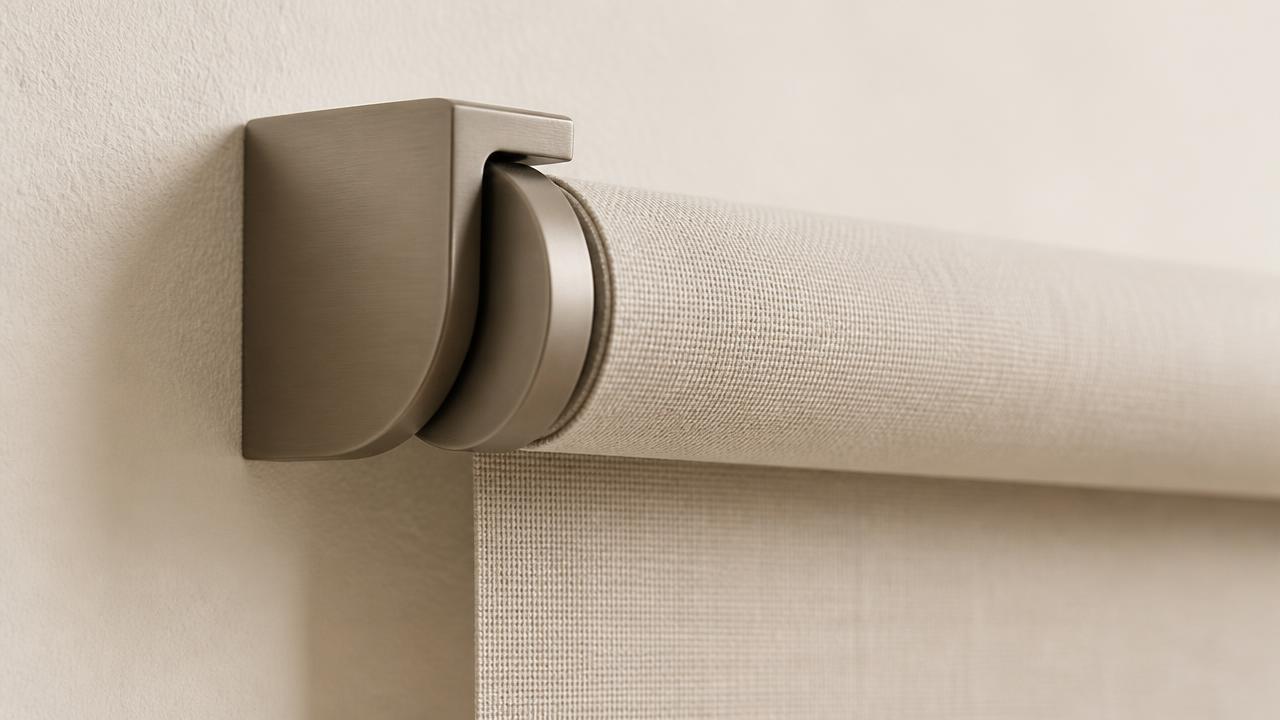
Drywall, concrete block, stucco and tile all require different approaches to mounting. In South Florida, a single home or condo can have more than one type of surface.
The important question is not simply whether the bracket is strong. It is whether the mounting method is appropriate for the surface where it will actually be installed.
What you want to hear
They check the mounting surface during the measure, identify what they found, and select appropriate hardware and fixing methods.
What should worry you
"We'll figure it out on installation day."
Ask before anything is ordered.
3. Who is actually installing the shades?
The company that sells the shades is not always the company that installs them. Some businesses use employees, some use independent installers, and some subcontract the work to another company.
These are not equivalent. When the work is subcontracted, the person who quoted you is not the person accountable for the result, and you usually find that out only when something needs fixing.
What you want to hear
A direct answer naming who will perform the installation and whether they are employees, independent contractors or another company. Ask specifically whether the person who measured will be the person who installs. That single handoff is where most avoidable problems start.
What should worry you
Vague answers such as "our team," "our installers" or "our partners" without explaining who will actually arrive at your home.
4. How is the shade powered, and what does that mean for my home?
"Motorized" does not describe one product. Shades can be hardwired, low-voltage, or battery powered, and the choice affects what has to happen to your walls.
Hardwired shades need an electrician and are best planned during construction or renovation. Battery powered shades need no electrical work, no permits and no wall damage, which is what makes them practical for a home that is already finished. We compare both in battery-powered vs hardwired motorized shades.
What you want to hear
A clear explanation of how the shade is powered and what physical work that requires in your rooms.
What should worry you
Vagueness about whether an electrician is needed, or a quote that does not make the power source explicit.
If someone is proposing to open walls in a finished home, you should know that before you sign, not on installation day.
5. What fabric are you recommending, and why?
The fabric is part of the solution, not just a color choice.
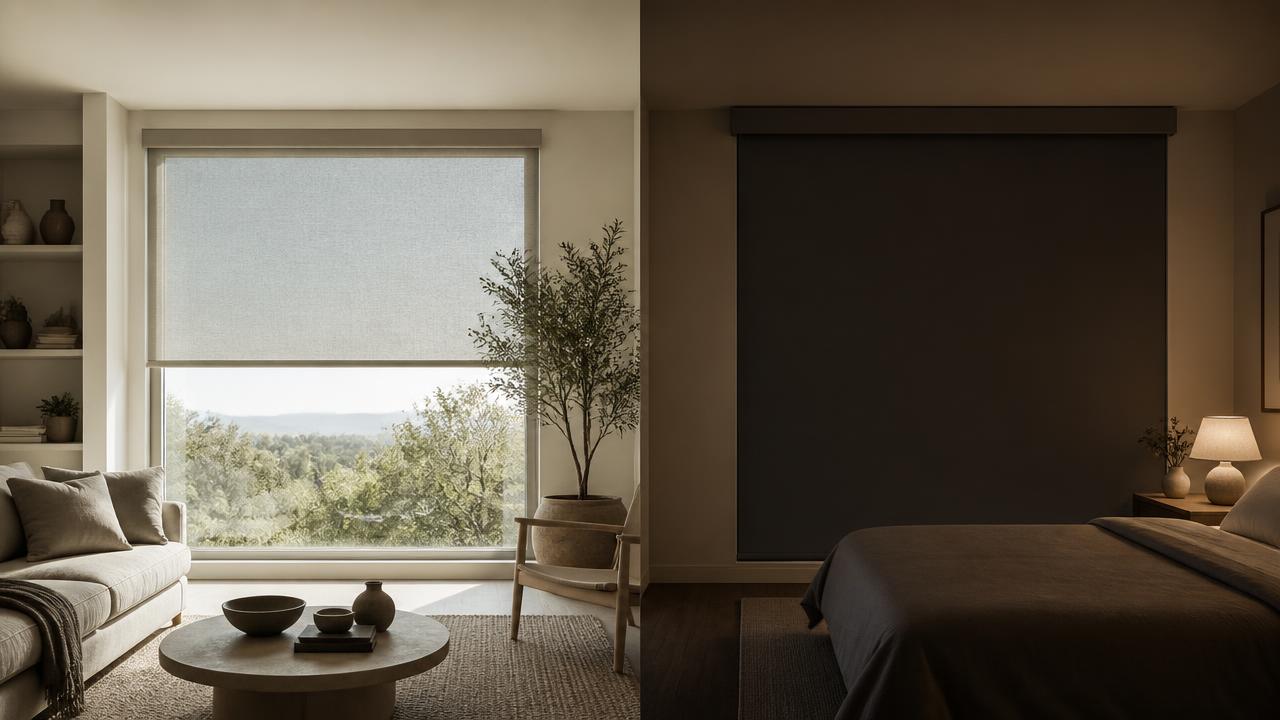
A solar screen, light-filtering fabric and blackout fabric solve different problems. Openness, color, glazing, orientation and the way you use the room can all affect the result.
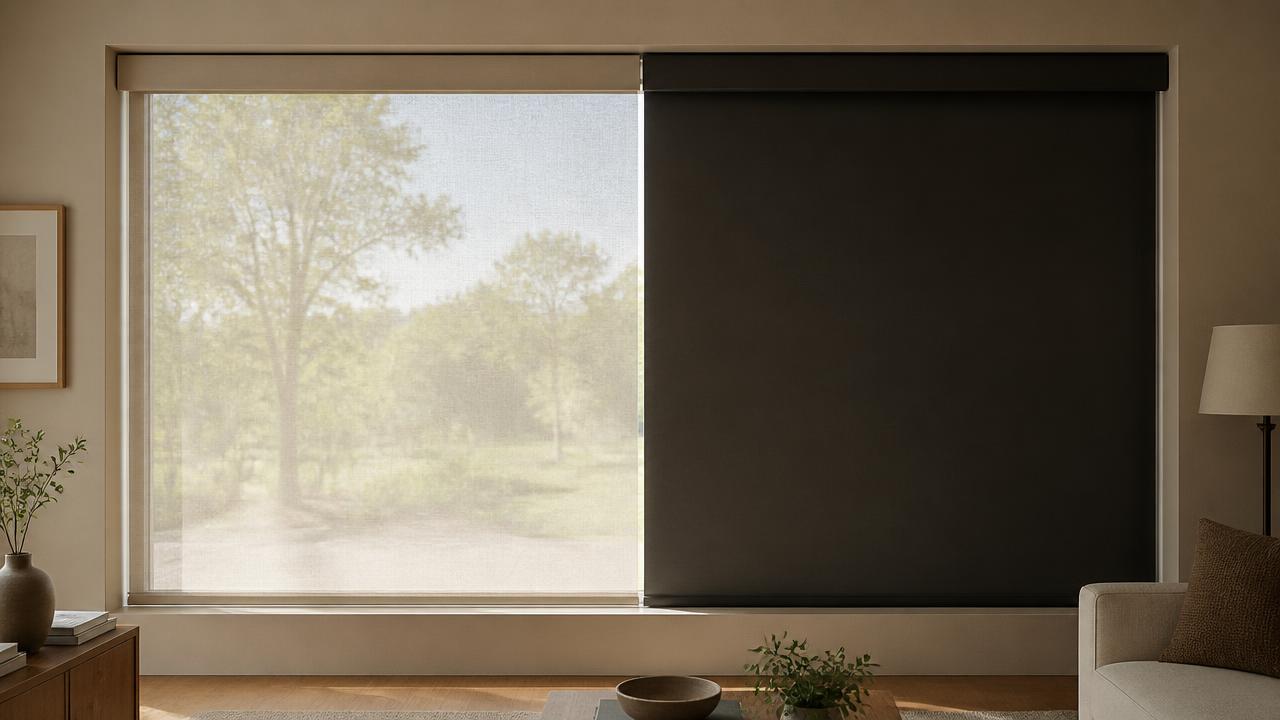
A fabric that looks relatively dark in a showroom can behave very differently when it is installed across a bright Florida window.
What you want to hear
The installer connects the fabric recommendation to your actual problem - glare, privacy, heat, daylight or darkness.
What should worry you
A recommendation based only on what is popular or what is currently in stock.
6. What exactly is included in the quote?
Two quotes can look similar while covering very different things.
Ask whether the price includes:
- Measurement
- Custom shade fabrication
- Fabric
- Cassette, fascia or other hardware, if specified
- Motor
- Remote control
- Charging equipment, if applicable
- Programming and setup
- Installation
- Removal of existing shades, if needed
- Future service or adjustments
You do not need every item listed separately, but you should know what you are paying for.
What you want to hear
A written quote that clearly defines the product, installation and included components.
What should worry you
A single number with no meaningful description of what it covers.
7. What happens if the measurement is wrong?
Every custom shade is made for a specific opening. If the installer made the measurement error, ask who pays for the remake.
Do not rely on a verbal answer.
What you want to hear
A clear written policy explaining what happens if the installer is responsible for an incorrect measurement.
What should worry you
"It depends" with no explanation, or a contract that says nothing about measurement errors.
Get the answer before paying the deposit.
8. What insurance do you carry, and what does it cover?
Ask what coverage the company holds and what it actually covers if something is damaged during installation.
This matters more than people expect. General liability policies vary, and damage to the window frame or wall the installer is working on is not always covered by a standard policy.
If you live in a condo or managed property, your building or HOA may have its own insurance requirements for contractors, sometimes including being named on the certificate. Ask about that early, because it can delay a scheduled installation.
What you want to hear
A straight answer about what is carried, and a willingness to provide documentation for your building if it is required.
What should worry you
An answer that avoids the question, or a certificate in a different company's name than the one you are hiring.
9. How long from order to installation?
Custom shades are manufactured after you order them, so the timeline can depend on the fabric, motor, hardware, manufacturing schedule and shipping.
Ask whether the quoted timeframe covers manufacturing, shipping and installation.
What you want to hear
A realistic range and an explanation of what could make the order take longer.
What should worry you
A very short or unusually precise promise with no explanation of what the timeline includes.
Ask what happens if the manufacturer or shipping schedule slips.
10. How will I charge the batteries?
Battery-powered shades are often a practical choice for finished homes because they can avoid running new wiring through walls.
But the battery is still a maintenance item.
Ask:
- How does the system indicate a low battery?
- Where is the charging connection?
- How often should charging normally be expected for this configuration?
- Can you reach the shade easily when it needs charging?
- What happens with a high or difficult-to-reach opening?
What you want to hear
A simple explanation of the charging process and what you will actually have to do as the homeowner.
What should worry you
Anyone who treats battery maintenance as something you will never need to think about.
It may be straightforward. It should still be explained.
11. What happens if something goes wrong after installation?
Ask who handles service if a shade stops responding, begins binding, needs adjustment or has a motor or control problem.
You want to know whether you are calling the installer, the manufacturer or another service company.
What you want to hear
A named contact, a realistic response time and a clear explanation of when a service visit is covered and when it is chargeable.
What should worry you
"Just call the office" without telling you whose office or who is responsible for the issue.
12. What do I get in writing when the job is done?
The invoice proves that you paid. It does not necessarily tell you what was installed.
Ask what documentation you receive at handover.
A useful record can include the openings, products, motor or control information, warranty details and any relevant installation notes.
What you want to hear
Documentation that makes it clear what was installed and how to get support later.
What should worry you
Nothing beyond an invoice and a receipt.
Six months later, a clear record is much more useful than anyone's memory.
Bonus question: Can I see the fabric in my own room before I decide?
This is one of the easiest questions to overlook.
Fabric can look very different under showroom lighting than it does against a bright window in your home.
If privacy matters, look at the fabric during the day and again after dark with the interior lights on. Daytime privacy does not automatically mean nighttime privacy.
What you want to hear
The installer is willing to show you relevant samples in the actual room and explain what you should expect in both daylight and evening conditions.
What should worry you
A recommendation based only on a catalogue image or a showroom sample.
The three questions I would ask first
If you only have time for three questions, start here:
Who is actually installing it?
You should know who is responsible for the installation before you sign.
What happens if the measurement is wrong?
Ask who pays for a remake when the installer is responsible for the error, and get the answer in writing.
What do I get in writing?
Know what product was installed, what motor and controls were used, what warranty applies and who to contact if something needs attention later.
Why we wrote this

At Meridian Shades, we install custom motorized shades in Boca Raton, Delray Beach and Highland Beach.
Our approach starts with the window, the room and the problem you are trying to solve - not with a product pushed from a catalogue.
We measure the openings, discuss the fabric and motor options, and explain what the installation will involve before anything is ordered. Ask us these questions too.
If an answer is unclear, ask for clarification. If you still cannot get a straight answer, that is a reasonable reason to choose another installer.
FAQ
- What is the most important question to ask a shade installer?
- Who is actually installing the shades, and whether that is the same person who took the measurement. Most avoidable problems appear at that handoff.
- Should I get the measurement policy in writing?
- Yes. Every custom shade is made for a specific opening, so the quote or contract should state what happens if the installer is responsible for an incorrect measurement.
- Do motorized shades require an electrician?
- Not always. Hardwired systems need electrical work, while battery-powered systems can usually be installed in a finished home without new wiring. Ask which one is being quoted.
- How long do custom motorized shades take to arrive?
- They are manufactured after the order is placed, so the timeline depends on the fabric, motor, hardware, manufacturing schedule and shipping. Ask whether the quoted range covers all of it.
- Are these shades custom made?
- Yes. Every shade is cut to the exact measurements taken at your home, not a stock size. Production starts only after the order is confirmed. This is also why the measurement itself is treated as the most important step in the process.