Glare
You can see the water. You cannot see the screen.
Glare is not the same problem as heat, and it does not get solved the same way. Heat is about how much sun comes through. Glare is about the angle it comes in at, and the angle is worst exactly when you are home.
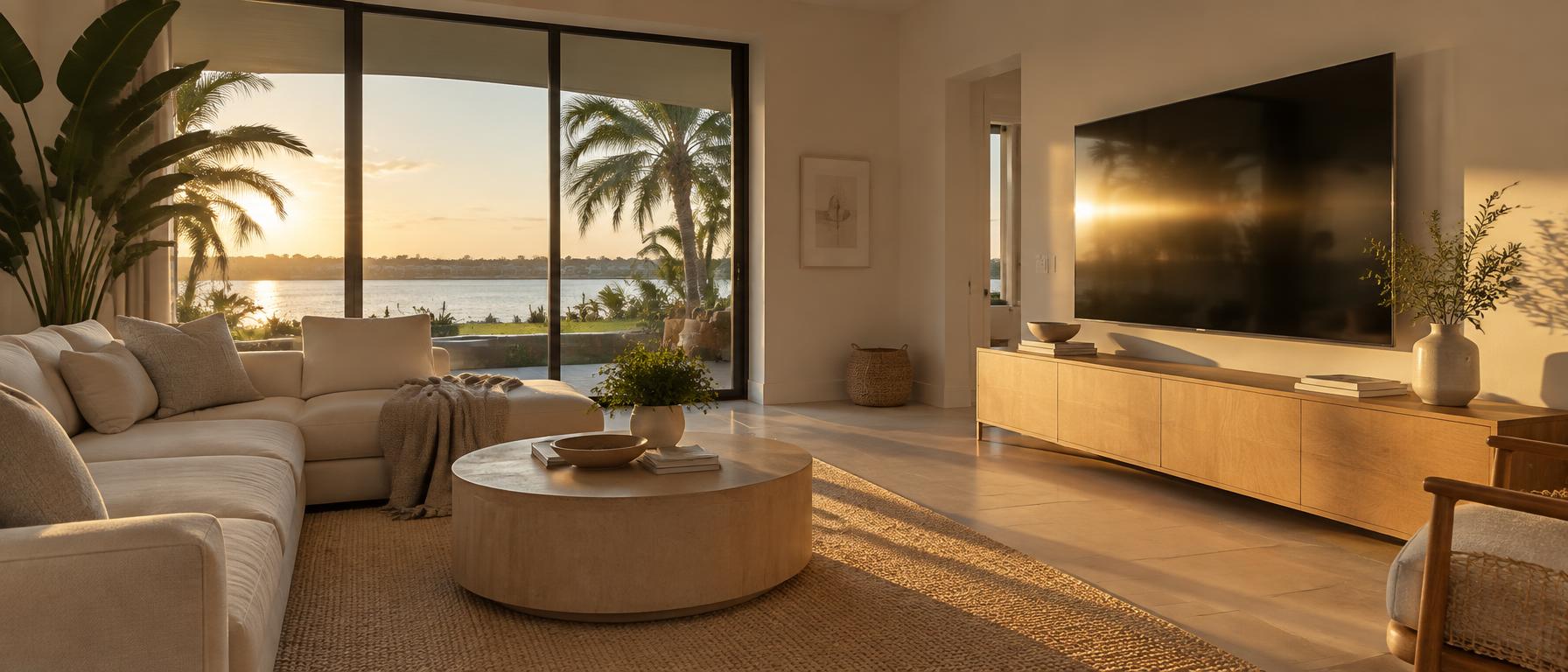
Why the worst glare happens in winter
Most people assume glare is worst in July, when the sun is strongest. It is not.
In midsummer the sun sits high overhead, and light comes down into the room rather than across it. Your roof overhang does most of the work.
In winter the sun sits low. It comes in almost horizontally, straight past the overhang, straight across the room, and straight into whatever you are looking at. The light is weaker, and the glare is far worse.
This is why a room that was fine in August becomes unusable in January, and why people who fixed their heat problem sometimes find they still cannot watch television at four in the afternoon.
What actually cuts glare
Solar screen fabric
An open weave that scatters direct light instead of blocking it. You keep the view and the daylight. This is the right answer for most rooms, and the openness percentage decides how much glare goes and how much view stays.
Lower openness
A 1% or 3% fabric cuts far more glare than a 10%. You give up some of the view and some brightness. In a home office facing west, that trade is usually worth making.
Dual roller
A solar screen for the day and a second fabric for when the sun is low and the screen alone is not enough. Two shades, one bracket.
Positioning
Sometimes the answer is not fabric at all. Moving a desk ninety degrees costs nothing. We will tell you if that is the real fix, even though it means we sell you less.
Where it matters most
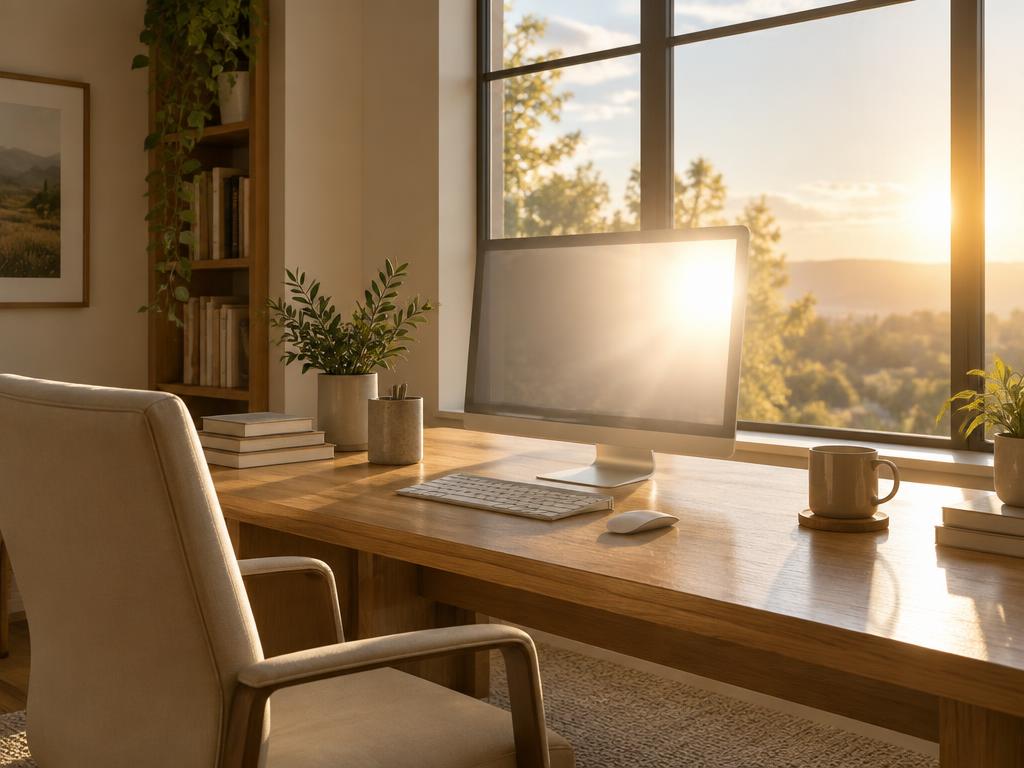
Home offices
A monitor facing a window is the most common glare complaint we hear. Video calls make it worse, because now the light is on your face as well as your screen.
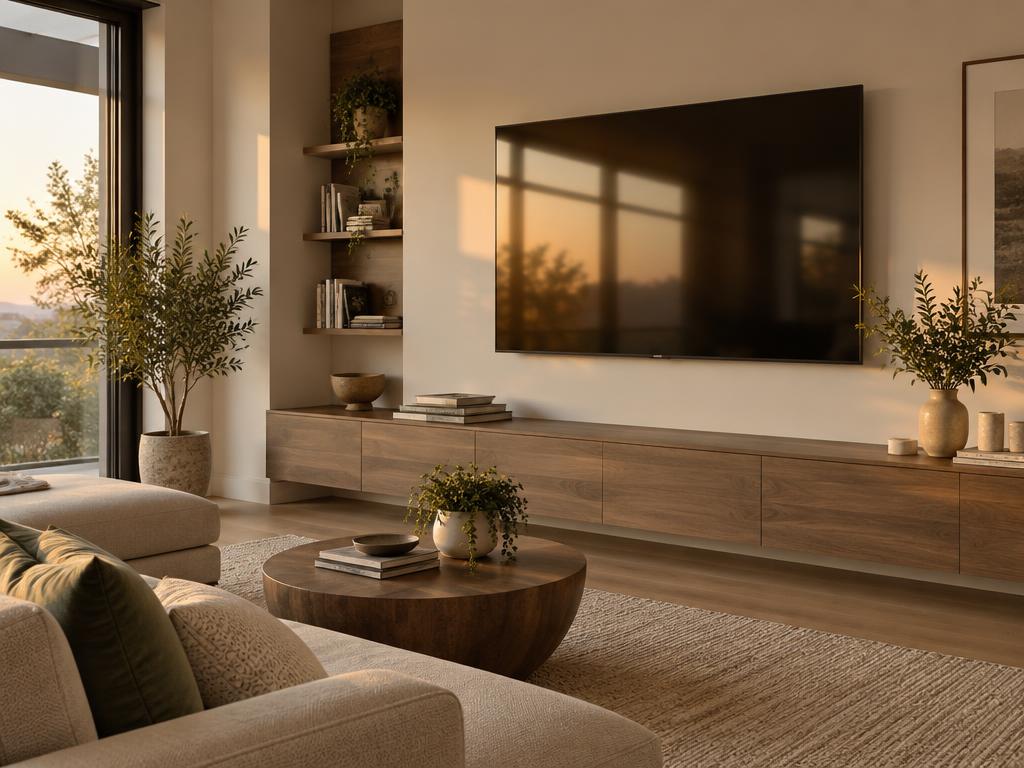
Media rooms and living rooms with a television
Screens are the reason glare became a problem at all. A room that was perfectly pleasant for forty years stops working the day a television goes on that wall.
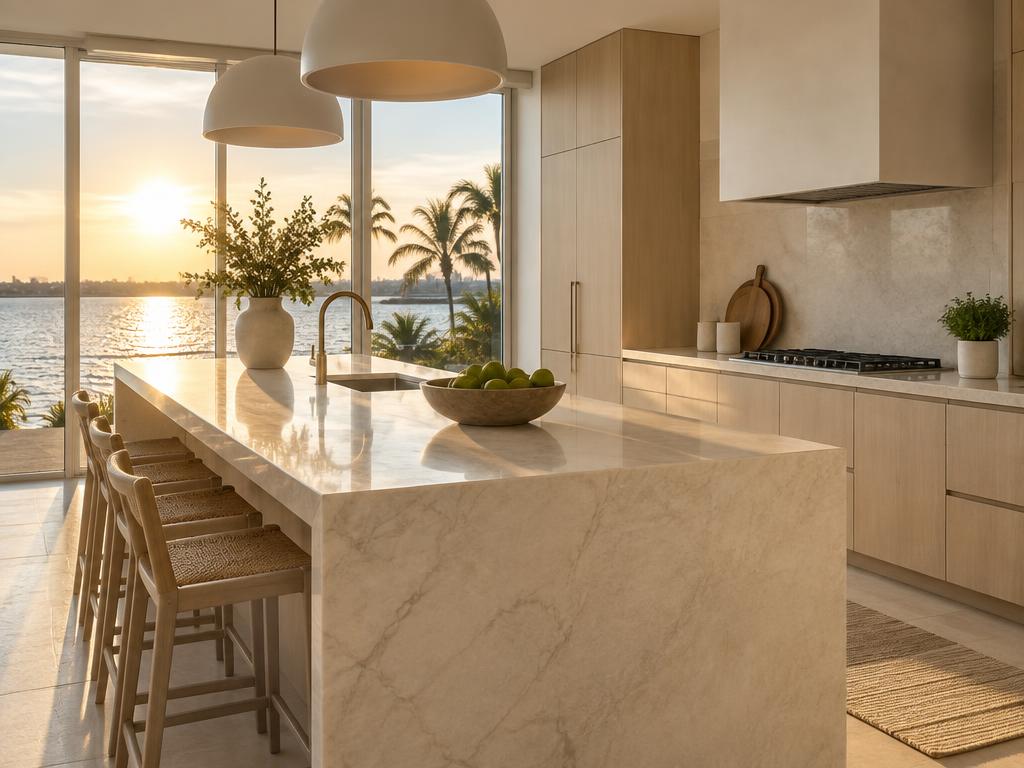
Kitchens with an island
South Florida kitchens face the water more often than not, and an island puts you looking straight at it while you cook.
Anything facing water
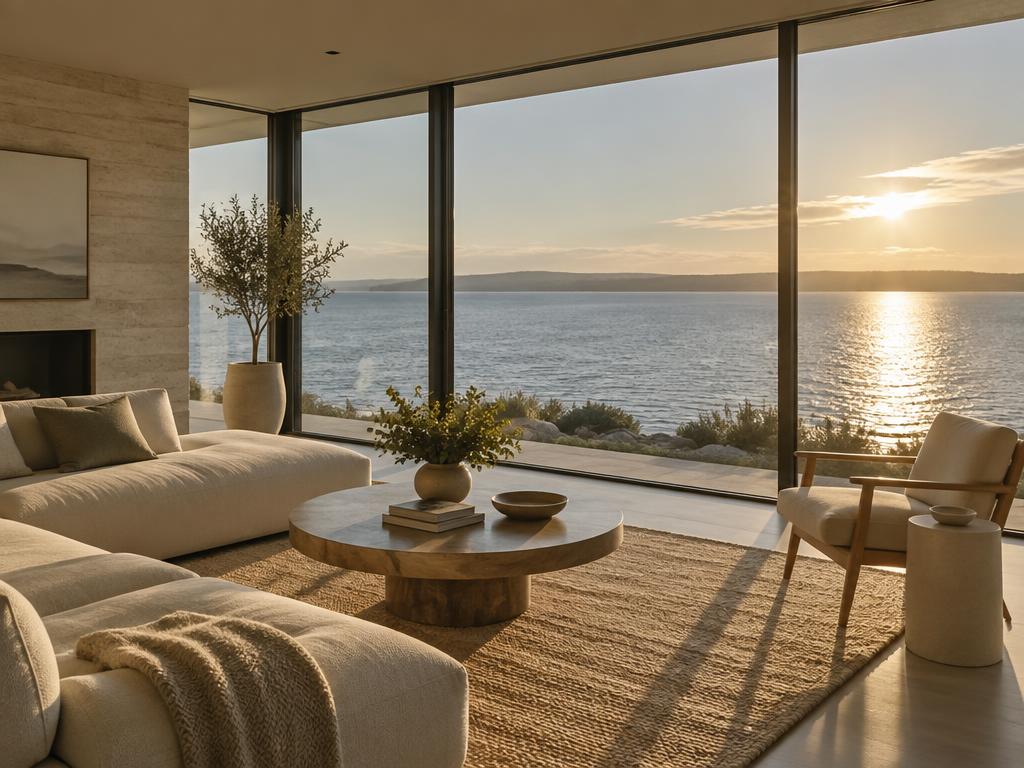
This is the one people underestimate. Water reflects, so a waterfront room gets glare twice: once from the sky and once off the surface. The second one arrives at a lower angle and lasts longer into the evening.
Being straight about glare
No fabric removes glare completely. When the sun is low enough to be directly in your eye line, a solar shade reduces it, it does not delete it. Anyone who tells you otherwise has not stood in the room at five o'clock in January.
What a shade does is turn a room you cannot use into a room you can, for most of the hours you actually want it. If a room needs total control at a specific hour, a second layer does that, and we would rather fit the right thing once.
Common questions
Will a solar shade fix glare on my TV?
Usually yes, during most of the day. When the sun drops low and comes in at screen height, a single solar shade may not be enough on its own. That is when a second layer earns its place.
Which openness should I choose for glare?
Lower is better for glare and worse for the view. For a west-facing office we usually end up at 1% or 3%. For a living room where the view is the reason you bought the house, 5% is a more honest compromise.
Does a darker fabric help more?
Counterintuitively, a dark fabric gives better glare control and a clearer view out, while a light fabric bounces more light back into the room. Dark fabrics show dust less too. The trade is that they let slightly more heat into the room.
Is glare worse near the water?
Yes, and by more than people expect. You get the direct sun and the reflection off the surface, and the reflected light arrives at a low angle late in the day.
Can I fix this without covering the window?
Sometimes. Moving furniture, turning a desk, or repositioning a screen solves more glare problems than people think. We will say so at the measure if that is what we find.
Cordless
No cords, no loops, no wands
Power
Battery or solar. No wiring, no wall damage
Install
Measured and fitted by our own team, load-tested before we leave