Heat Protection
Stop the heat at the glass.
West-facing Florida glass turns a room into an oven by mid-afternoon. Solar shades reflect solar heat before it enters the room, and cellular shades trap air in honeycomb cells to slow heat transfer. Which one you need depends on whether your problem is direct sun or a room that simply will not hold temperature.
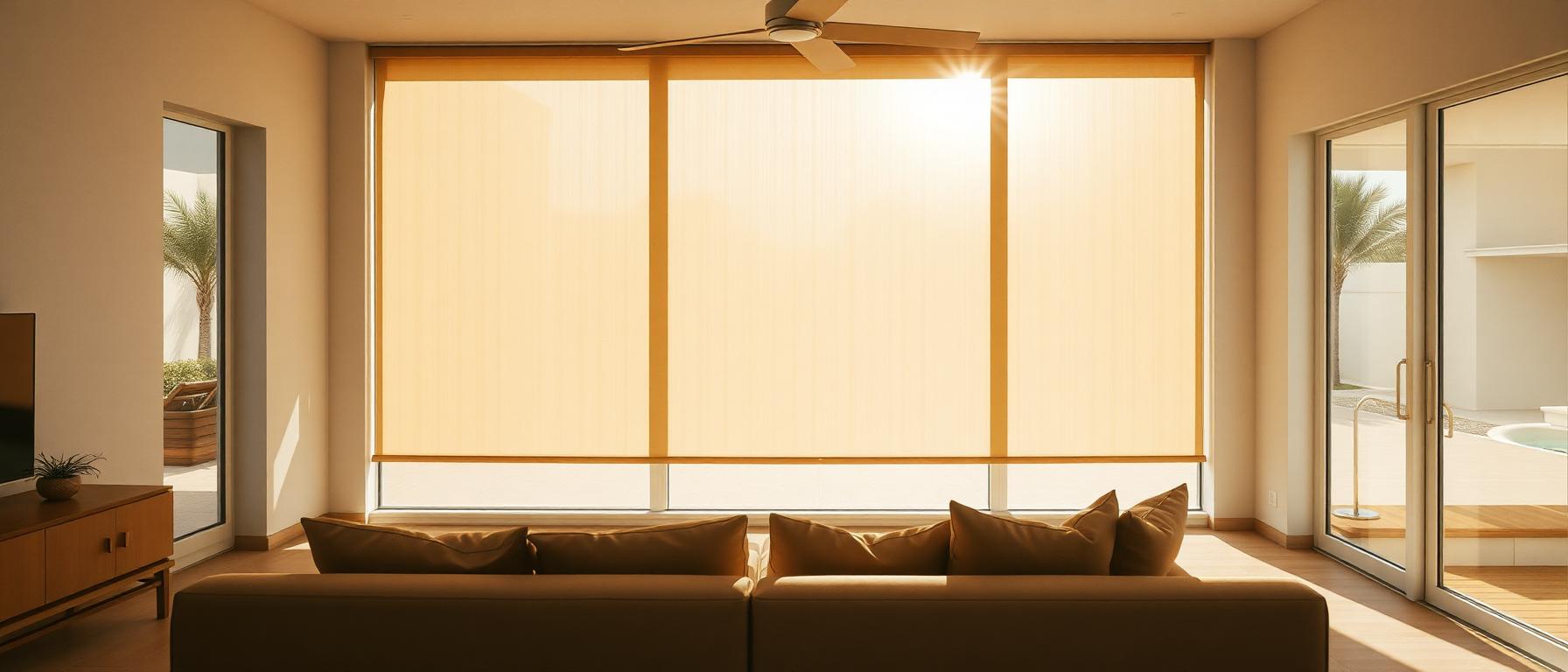
Two different problems, two different fabrics
People ask for a shade that keeps the room cool, but there are two separate things happening at a window in Florida, and they need different answers.
The first is solar gain - direct sun coming through the glass and heating everything it lands on. That is a reflection problem, and a solar shade handles it before the heat gets in.
The second is heat transfer - the glass itself sitting hot all afternoon and radiating into the room, or conditioned air bleeding out through it. That is an insulation problem, and only cellular construction meaningfully addresses it.
Most homes have one dominant problem, not both. We work out which at the measure.
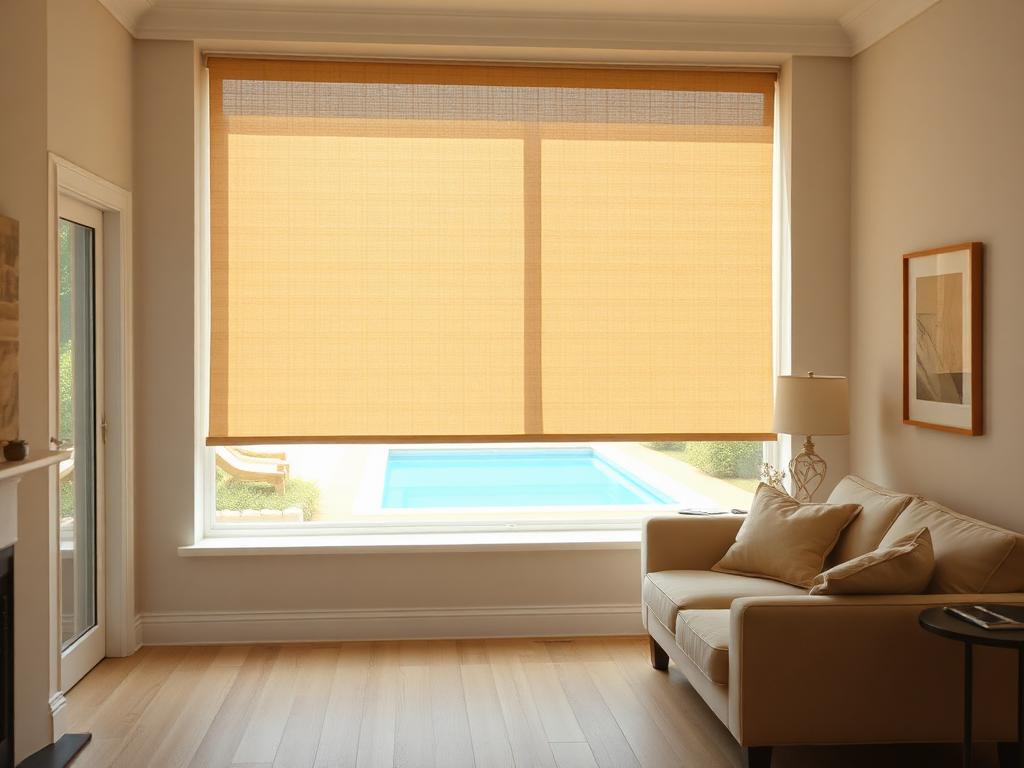
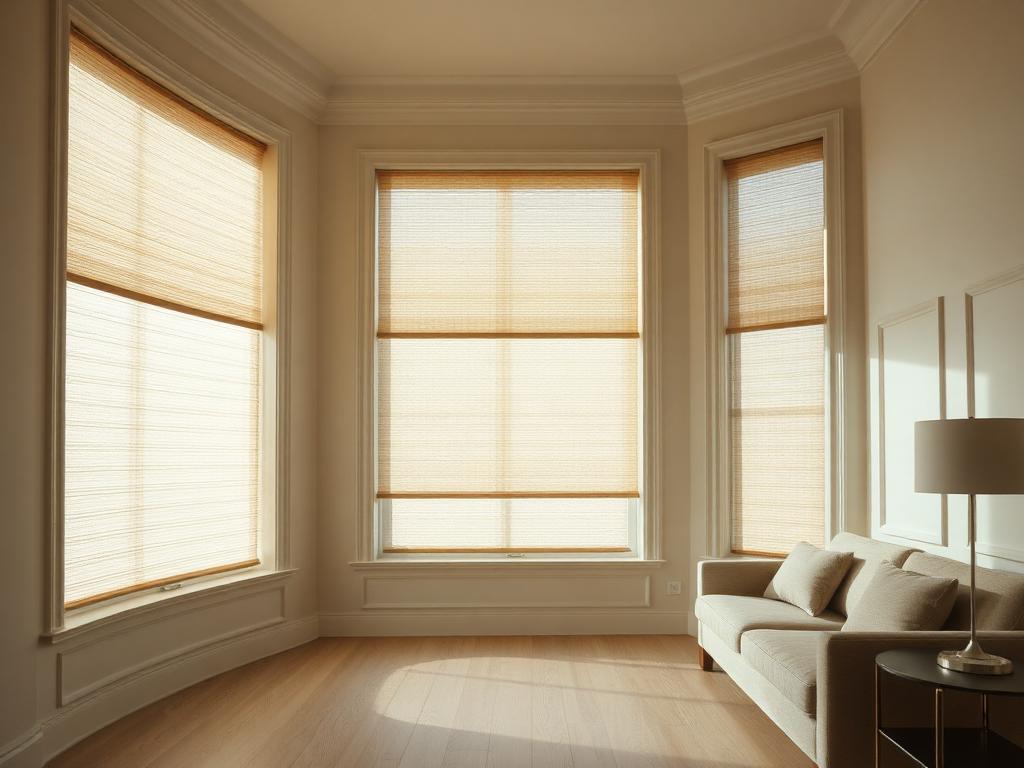
What the numbers mean
Openness factor
Solar fabric runs from 1% to 14% openness. Lower blocks more heat and gives less view. Around 3% is where most rooms land - strong heat rejection with the view kept.
Cell structure
Honeycomb cells hold a pocket of still air between the room and the glass. Double cell holds more. This is insulation, not reflection.
Fabric colour
A lighter fabric facing the glass reflects more heat back out. A dark fabric gives a crisper view but absorbs more. The side facing the window matters more than the side facing you.
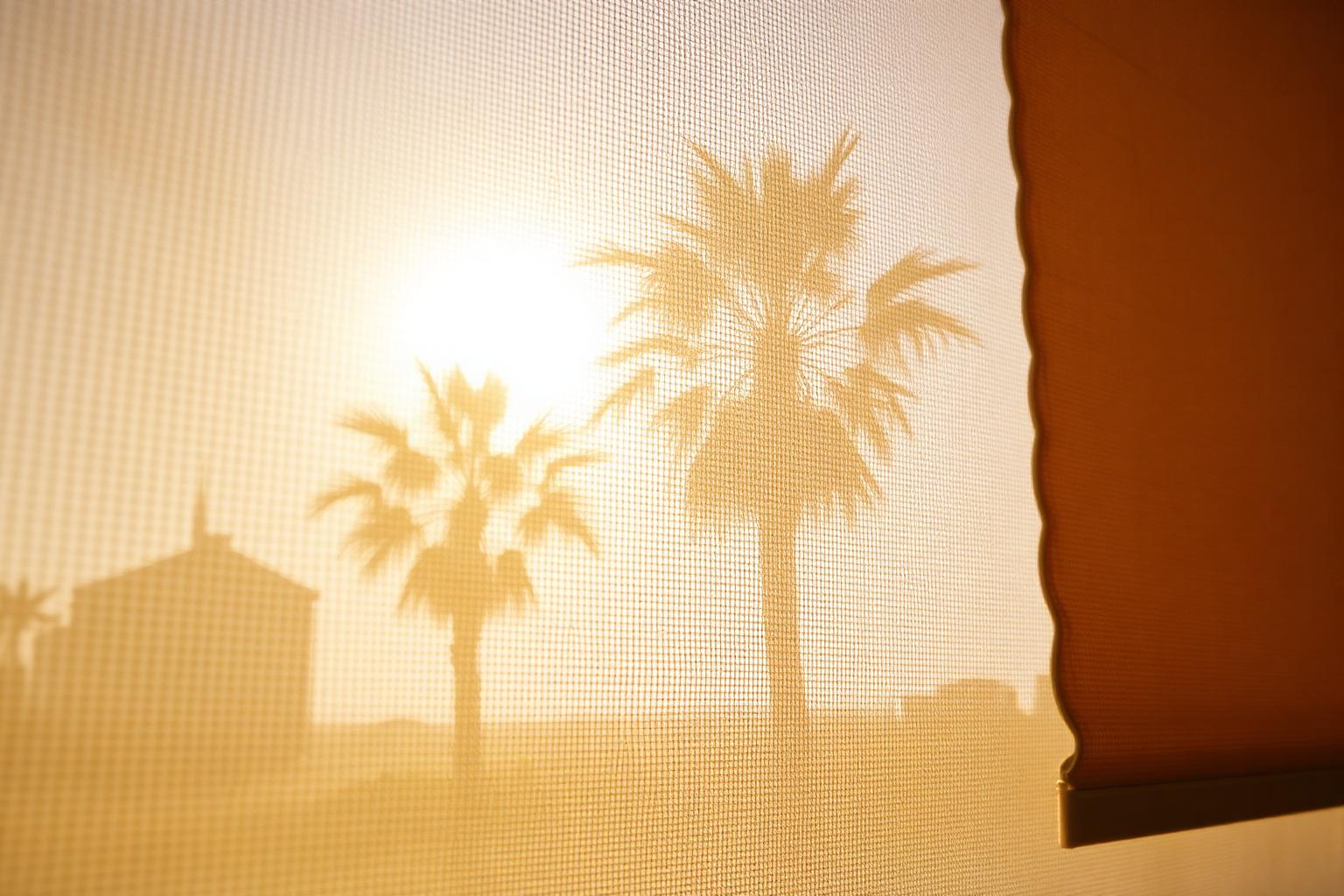
Where it matters most
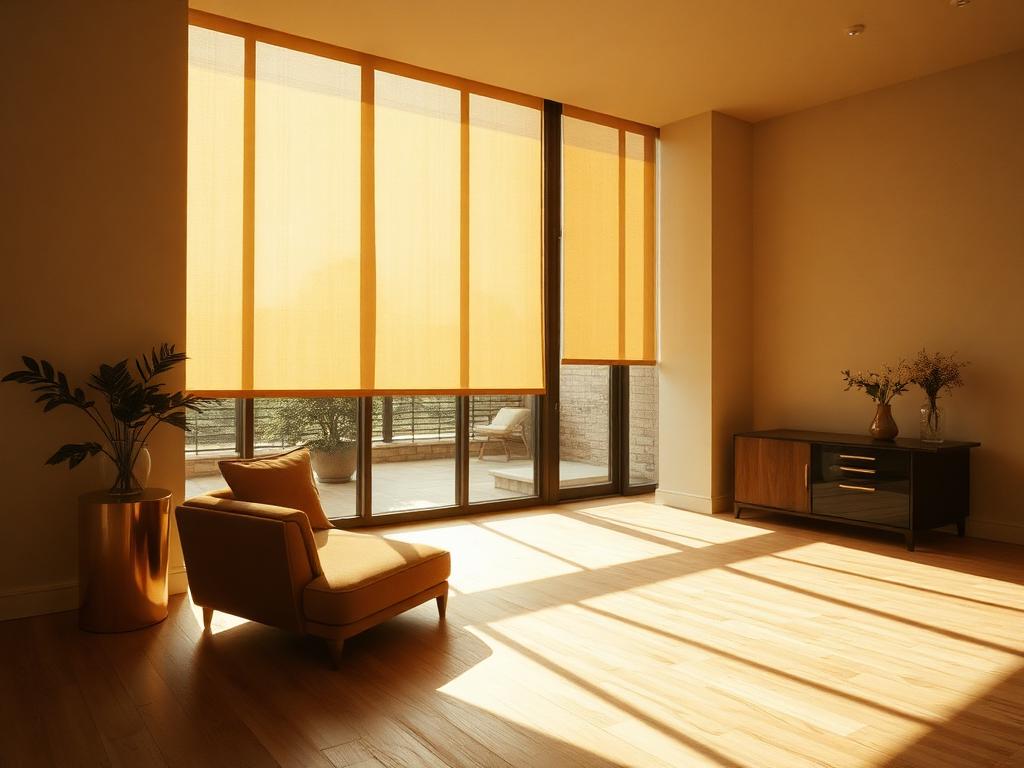
West-facing rooms
The afternoon exposure that drives the whole problem. This is where a low openness solar shade earns its price.
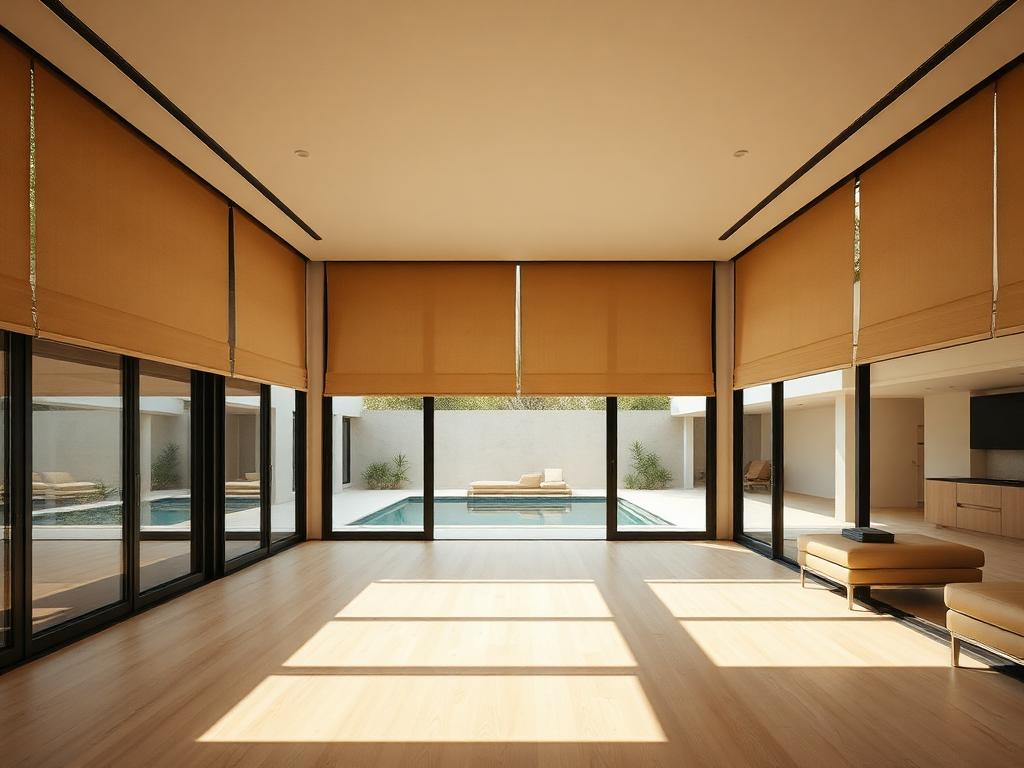
Floor-to-ceiling glass and sliders
Large uninterrupted glass is the biggest single source of solar gain in most Florida homes.
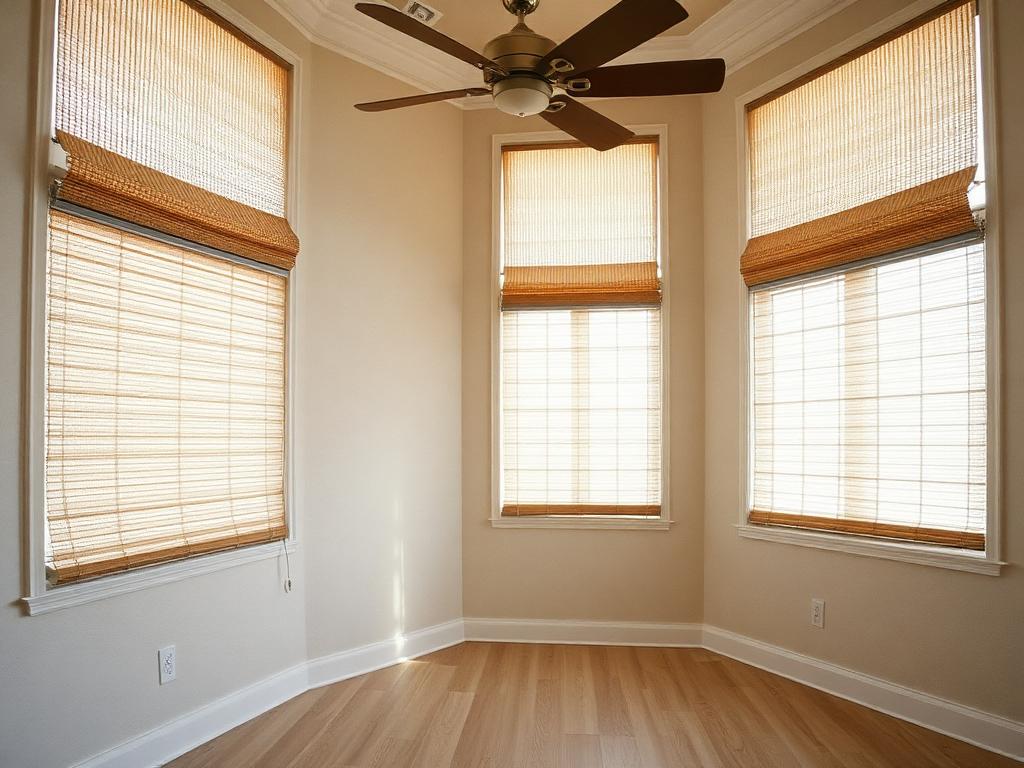
Rooms the AC never catches
If one room runs several degrees warmer than the rest of the house, the window is usually why.
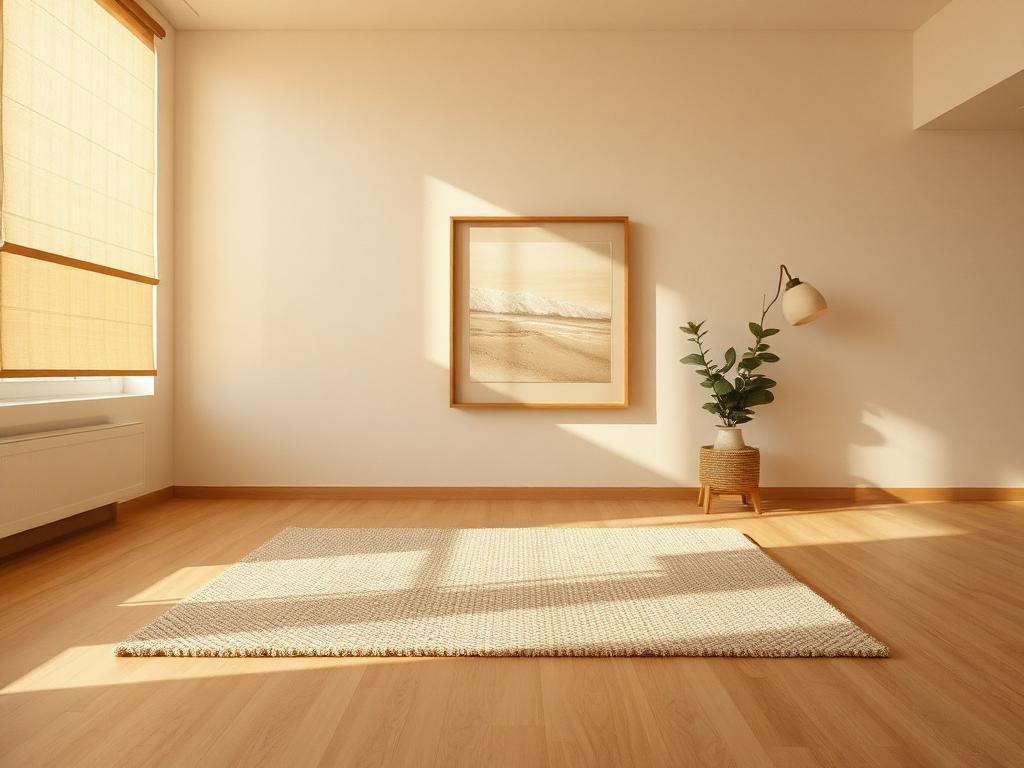
Rooms with furniture, art or floors you care about
UV fades textiles and wood. Solar fabric cuts a large share of it while keeping the room bright.
What we will not claim
Interior shades reduce heat gain. They do not stop it the way exterior systems do, because by the time sunlight reaches an interior shade it has already passed through the glass. Exterior shades and shutters perform better on pure heat rejection - they simply cost more, often need approval, and change how the house looks.
We fit interior systems, and we would rather tell you where they sit than oversell them.
Common questions
How much heat do they actually block?
A low openness solar fabric rejects a large share of solar heat before it reaches the room - the exact figure depends on the openness percentage and the colour facing the glass. We will give you the specification for the fabric you choose rather than a headline number.
Will this lower my electricity bill?
It reduces the load on the AC in the rooms that are hardest hit, which usually means the system cycles less in the afternoon. We do not promise a percentage on your bill, because it depends on your house, your thermostat and your habits.
Solar or cellular - which do I need?
Solar if your problem is direct afternoon sun and you want to keep the view. Cellular if the room simply will not hold temperature, or if you also want darkness. Cellular insulates better, solar keeps the view.
Can I still see out?
With solar fabric, yes - that is the point of it. Around 3% openness keeps a clear view of the garden or pool while cutting most of the glare and heat. Cellular does not have a view through it.
Does the colour of the fabric matter?
Yes, more than most people expect. Lighter fabric on the window-facing side reflects more heat outward. Darker fabric gives a sharper view out but absorbs more heat. Many fabrics are two-toned for exactly this reason.
What about UV damage to furniture?
Solar fabric blocks a large share of UV while staying transparent to the view. It is one of the more common reasons people call us about a room with a rug or artwork they care about.
Will it help in winter?
Cellular does - the trapped air works both directions. Solar shades do very little on a cool night with no sun, because they reflect rather than insulate.
Are these shades custom made?
Yes. Every shade is cut to the exact measurements taken at your home, not a stock size. Production starts only after the order is confirmed. This is also why the measurement itself is treated as the most important step in the process.
Cordless
No cords, no loops, no wands
Power
Battery or solar. No wiring, no wall damage
Install
Measured and fitted by our own team, load-tested before we leave