Darkness
Dark means dark. Not almost dark.
Most blackout shades still leak a halo of light around the edges, because the fabric blocks light but the gaps at the sides do not. A true blackout install pairs blackout fabric with sealed side channels that trap the fabric edge, so no light gets past. That is what we fit in bedrooms and nurseries.
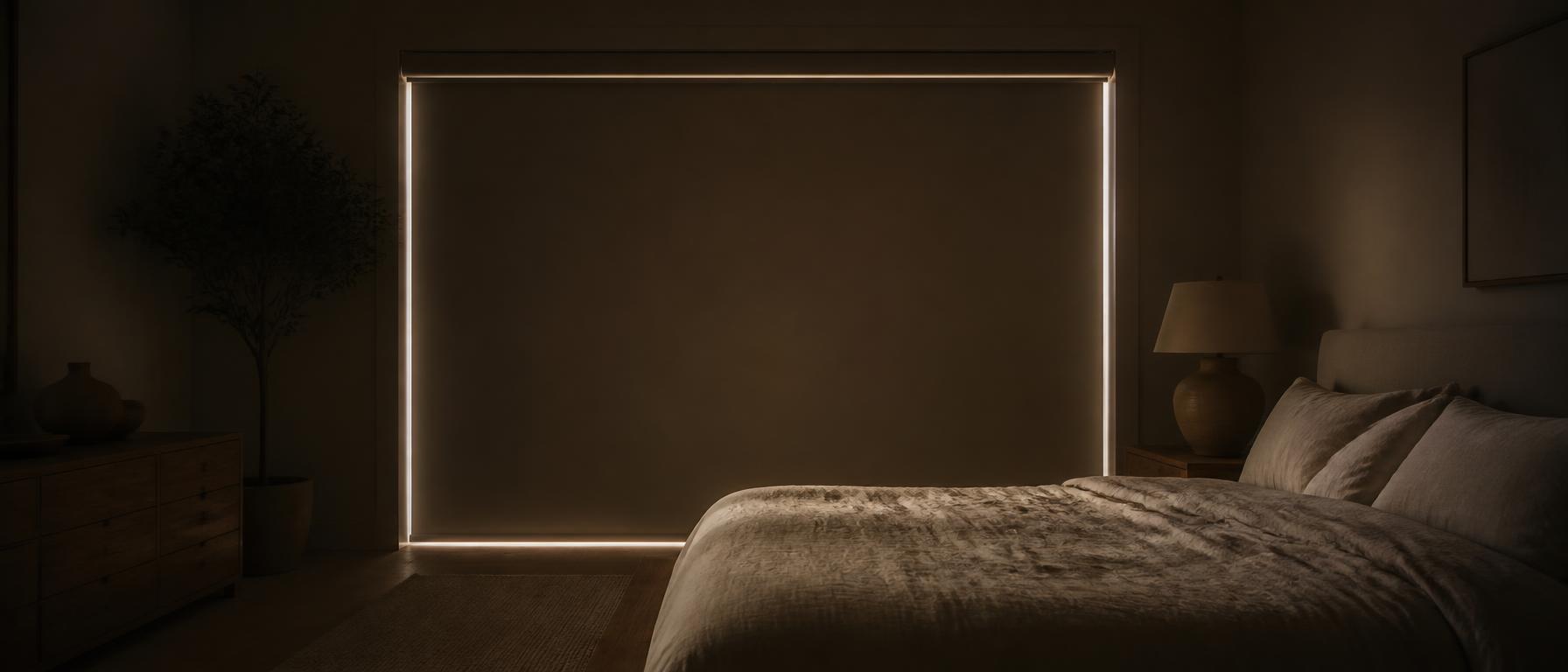
The problem is not the fabric. It is the gap.
You bought blackout shades. The room is still not dark. This is the single most common complaint about blackout window coverings, and it is not because you bought the wrong fabric.
A roller shade sits slightly narrower than the opening so it can travel freely. That clearance is a few millimetres on each side, and light finds it. Manufacturers call the result a halo effect. At six in the morning in Florida, a few millimetres of direct sun on each side is enough to wake a light sleeper and enough to end a nap.
The fix is not a darker fabric. It is closing the edge.
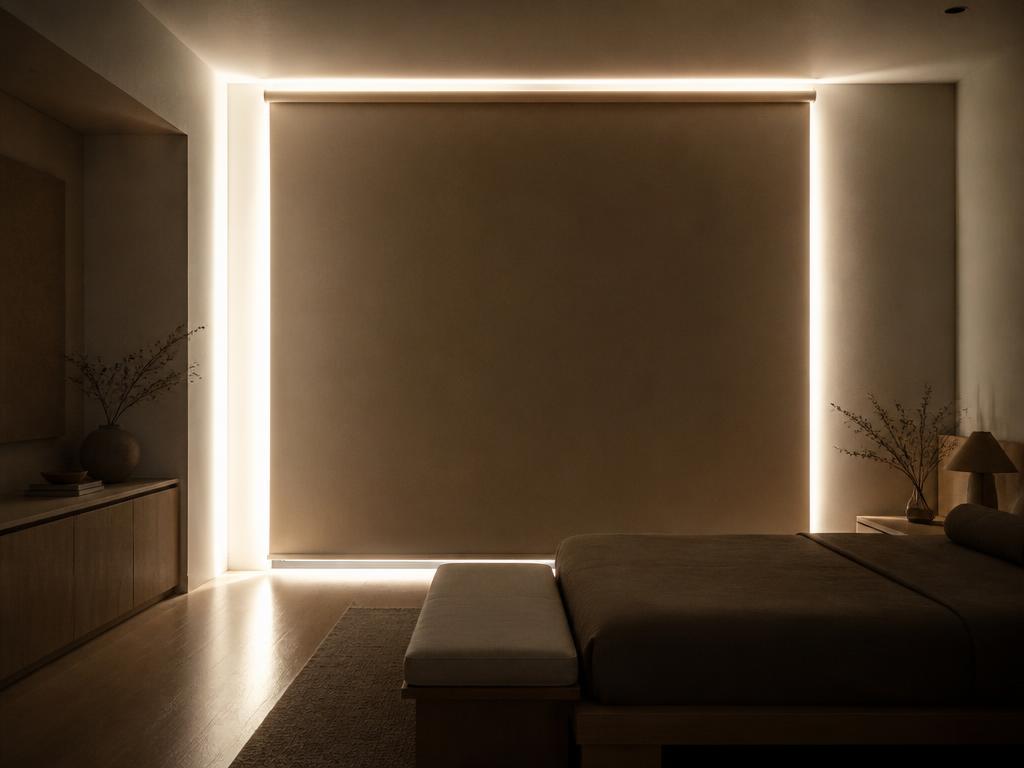
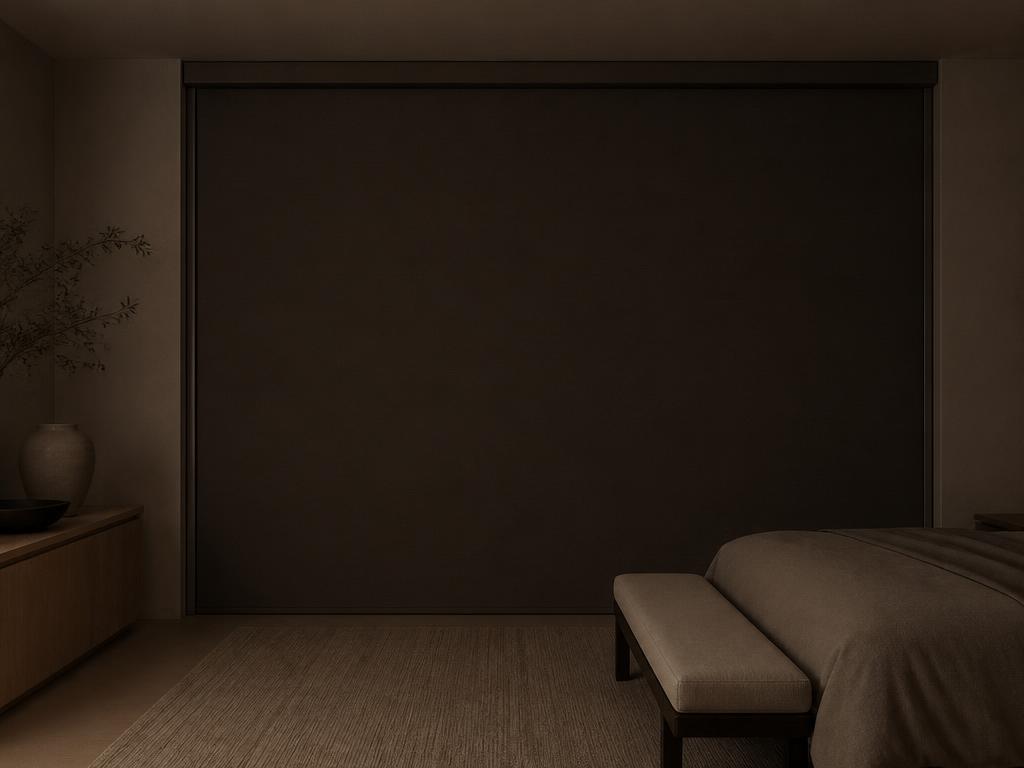
How we seal a room
Side channels
U-shaped tracks run down both sides of the opening. The fabric edge sits inside them, so there is no gap for light to pass through.
Sealed head
A closed cassette at the top stops the band of light that otherwise appears above the roller.
Bottom seal
The bottom bar closes against the sill rather than hanging short of it.
Opaque fabric
Blackout fabric blocks the light that reaches it. The channels handle everything that goes around it.
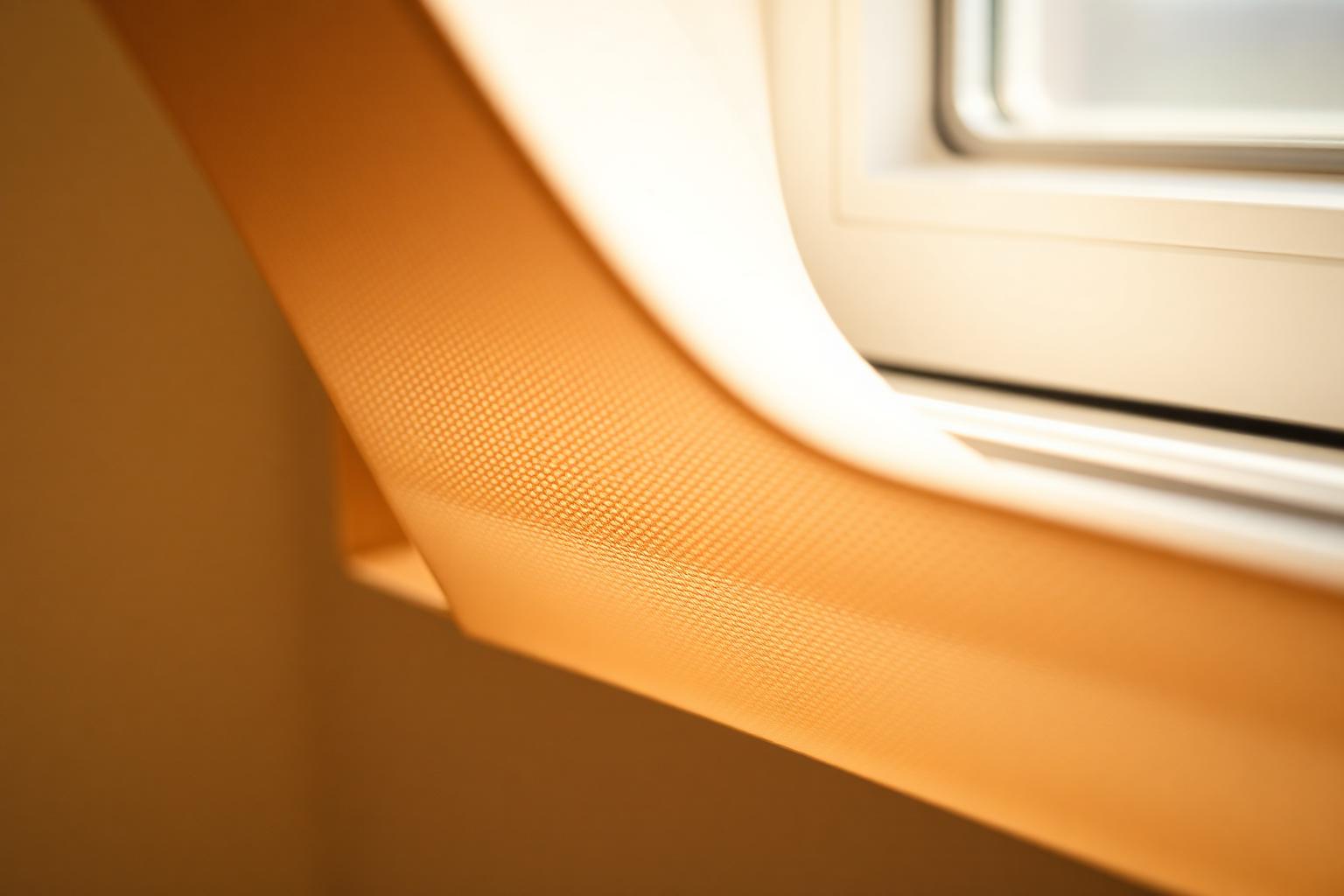
What we fit
- Motorized blackout roller shades, battery or solar powered
- Side channels for inside or outside mount, on windows and sliding doors
- Blackout cellular where insulation matters as much as darkness
- Dual roller systems where you want daylight by day and full darkness at night
Every system is cordless. There are no cords.
Where it matters most
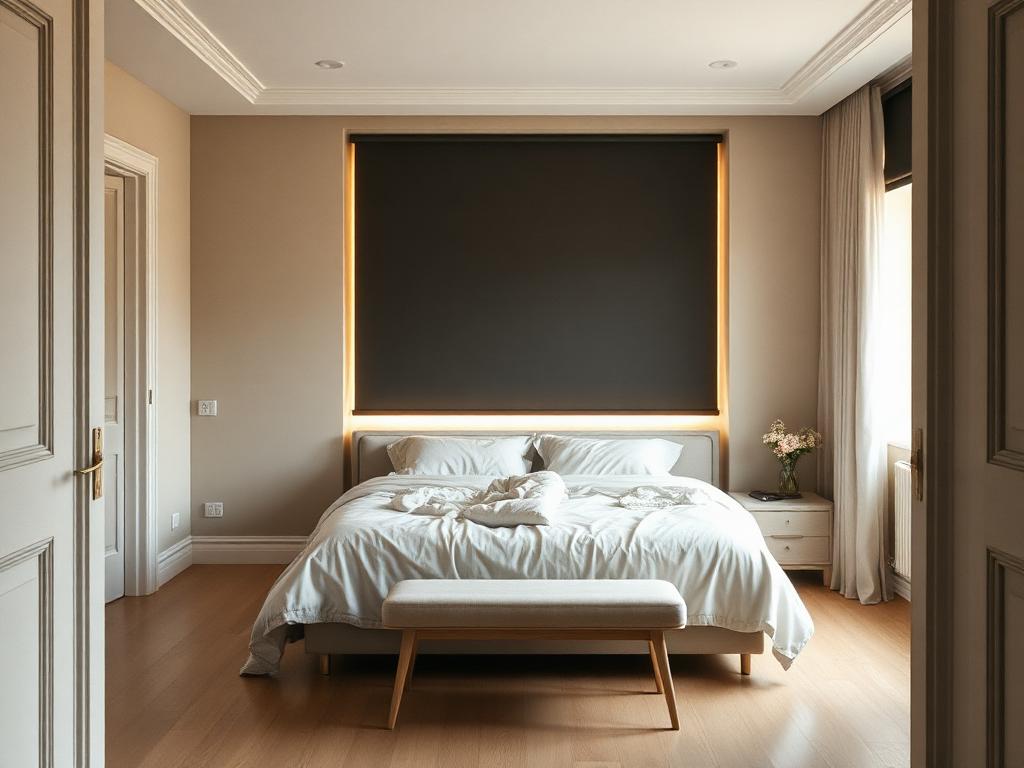
Bedrooms
Florida sunrise is early and it is direct. Sealed blackout is the difference between waking at six and waking when you meant to.
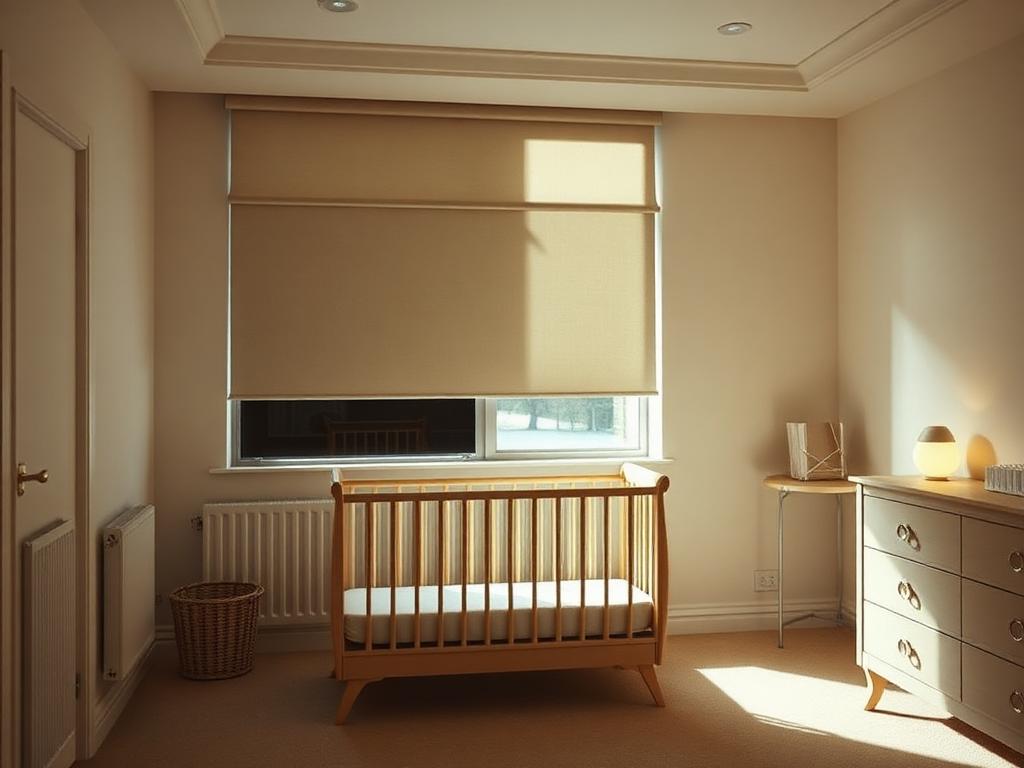
Nurseries
Nap schedules survive or fail on darkness. A sealed room gives the same signal at two in the afternoon as it does at night.
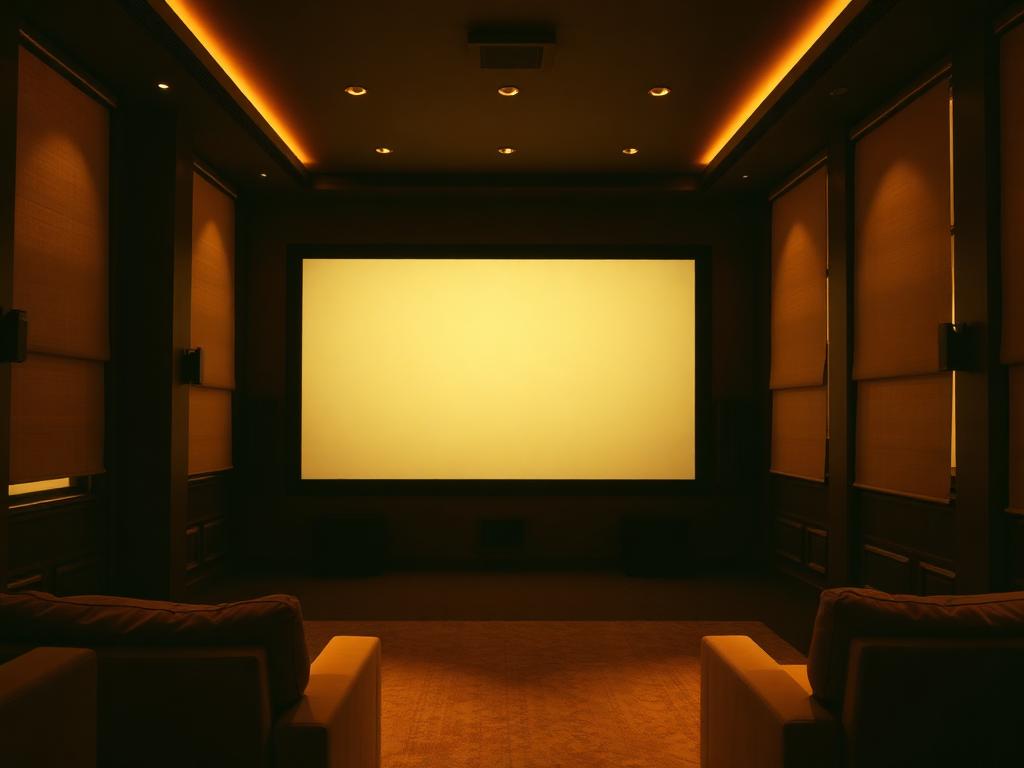
Media rooms
No glare on the screen, no washed-out picture, no reflection on the glass behind you.
When blackout is not the answer
If you want the room dark but still want to see out during the day, blackout on its own will frustrate you - it is either open or closed, with nothing in between. A dual roller gives you both, and costs more. If the room only needs the glare taken off, a solar shade is the better and cheaper answer. We will say so at the measure.
Common questions
Will the room be completely dark?
With sealed side channels, a closed cassette and a bottom seal, close to it. Without channels, no - there will be a visible halo at the edges, and we would rather tell you that before you buy than after.
Do I need side channels, or is the fabric enough?
If the room is for sleeping, you need the channels. Fabric alone stops light coming through the shade. Channels stop light coming around it. Those are different problems.
Do the channels look industrial?
They are slim aluminium tracks that follow the window frame. In an inside mount they sit within the reveal and read as part of the frame. We bring a sample to the measure so you can see one before deciding.
Can I have blackout on a sliding door?
Yes. Wide openings may need a heavier motor or two coupled panels. We work that out at the measure and it is priced before you commit.
Will it also keep the room cooler?
Somewhat, because opaque fabric blocks solar gain. If cooling is the main goal, blackout cellular does noticeably better than a blackout roller.
Is it safe around children?
Everything we fit is cordless. No pull cords, no loops, nothing hanging within reach. More on our safety page.
Are these shades custom made?
Yes. Every shade is cut to the exact measurements taken at your home, not a stock size. Production starts only after the order is confirmed. This is also why the measurement itself is treated as the most important step in the process.
Cordless
No cords, no loops, no wands
Power
Battery or solar. No wiring, no wall damage
Install
Measured and fitted by our own team, load-tested before we leave